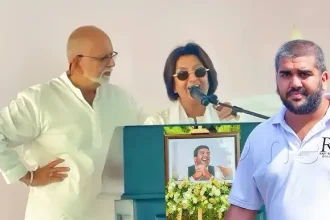




Alex Mukulu, a celebrated figure in Uganda theatre, has left an indelible mark on the creative sector of Uganda through his captivating plays and performances. The Uganda Communications Commission (UCC) Executive Director, Nyombi Thembo, recently paid tribute to Mukulu, highlighting his significant contributions to arts and culture. As a veteran playwright, actor, and director, Mukulu’s legacy resonates deeply within the hearts of many, as he skillfully portrayed the complexities of Ugandan life on stage. Sadly, he passed away at the age of 72, prompting a wave of remembrance from colleagues and fans who regard him as a vision of inspiration in the theatre community. As we reflect on his life, it is essential to honor Mukulu’s achievements and the transformative impact he had on Uganda’s creative landscape through his artistic endeavors.
- A Tribute to Alex Mukulu: The Father of Uganda’s Theatre
- Nyombi Thembo on Government Support for the Arts
- The Role of Theatre in Cultural Identity
- Harnessing Creativity for Societal Change
- Remembering the Legacy of Alex Mukulu
- Challenges Facing Uganda’s Theatre Industry
- The Impact of UCC on Creative Industries
- Inspiration for Future Generations of Artists
- Frequently Asked Questions
- Who is Alex Mukulu and what are his contributions to Uganda theatre?
- What did UCC Executive Director Nyombi Thembo say about Alex Mukulu?
- How has Alex Mukulu influenced the creative sector in Uganda?
- What government support for the arts did Nyombi Thembo highlight after Alex Mukulu’s passing?
- What are some of the themes explored in Alex Mukulu’s works?
- Why is Alex Mukulu considered a pivotal figure in Uganda’s performing arts?
- What can artists learn from Alex Mukulu’s legacy?
- How did the passing of Alex Mukulu affect the Uganda creative community?
- Summary
The recent passing of Alex Mukulu shines a light on the vibrant yet often overlooked landscape of Uganda’s theatrical arts. Esteemed for his roles behind the scenes as a playwright and front-stage as an actor, Mukulu exemplified a commitment to enriching the cultural fabric of the nation. Nyombi Thembo’s commendation highlights the profound influence Mukulu wielded within the artistic community, showcasing how his work transcended mere entertainment to address crucial social themes. This reflection on Mukulu’s life and contributions serves as a timely reminder of the richness found within Uganda’s artistic expressions and the collective responsibility to foster and support the creative sectors. As Uganda continues to grow, honoring the legacies of figures like Mukulu is vital for inspiring future generations of artists.
A Tribute to Alex Mukulu: The Father of Uganda’s Theatre
Alex Mukulu, a venerable figure in Uganda’s theatrical landscape, has left an indelible mark on the country’s creative sector. His passing is a monumental loss, resonating deeply within the community of artists and audiences alike. Revered for his insightful approach to storytelling, Mukulu’s work often tackled pressing social issues, including political power dynamics, poverty, and cultural identity. Through his plays, he not only entertained but also educated the public, encouraging dialogue on significant matters that affect everyday Ugandans. The Uganda Communications Commission (UCC) has made it clear that the legacy of such an iconic figure is a pivotal part of Uganda’s arts narrative, reminding everyone of what can be achieved through passion and creativity in the theatrical domain.
As the UCC Executive Director Nyombi Thembo eloquently noted, Mukulu’s contributions transcend mere performance; they serve as a reminder of the unifying power of the arts. Events following his death have turned into celebrations of his life and creativity, showcasing the profound influence he had in shaping Uganda’s theatre scene. Artists are now finding inspiration in his life’s work to address contemporary issues through art, continuing what Mukulu championed during his lifetime. Indeed, his legacy will inspire future generations in the creative sector Uganda, ensuring that the essence of his vision continues to resonate.
Nyombi Thembo on Government Support for the Arts
During his tribute, UCC Chief Executive Nyombi Thembo highlighted unprecedented support from the government for the arts sector, recognizing that such initiatives are vital in promoting the sustainability of creative industries in Uganda. This acknowledgment comes during a time of renewed focus on the contributions of the creative sector, with the government setting a budget specifically aimed at enriching artistic endeavors. Thembo noted that this financial backing for creatives marks a significant milestone that had not been witnessed in his extensive career spanning over five decades. It signals a commitment toward nurturing talent and fostering a vibrant artistic community that is crucial for cultural expression.
In addition to financial support, Thembo sees this moment as an opportunity for artists to reorganize and better harness the available resources. He pointed out the necessity for collaboration among artists and stakeholders to create more opportunities and elevate the status of Uganda theatre on the global stage. This support, paired with the legacy of figures like Mukulu, serves as a catalyst for bringing to light emerging talents and innovative works that can address current social challenges, ensuring that the rich tapestry of Ugandan culture continues to thrive.
As Thembo pointed out, celebrating the legacy of artists like Mukulu will propel this movement forward, giving current creators a framework to build upon. This newfound government initiative, if effectively utilized, has the potential to transform the creative sector Uganda from a struggling field into a flourishing arena for artistic expression and socio-political discourse.
The Role of Theatre in Cultural Identity
Theatre in Uganda plays a crucial role in shaping cultural identity, reflecting the society’s values, struggles, and triumphs. As an art form, theatre has historically been a powerful medium through which artists, like Alex Mukulu, have explored cultural narratives and raised awareness on social issues. Mukulu’s dramatic presentations were not just performances; they were contests of ideas, presenting a stage where voices often marginalized could be heard. In doing so, he not only entertained but became a voice for the voiceless, holding a mirror to society and prompting reflection among audiences.
With the recent government commitment to support the arts, there is hope for the revitalization of theatre as a means of preserving and promoting Uganda’s unique cultural heritage. Theatre provides an avenue for storytelling that highlights the rich history and diverse experiences of Ugandans. This can foster a sense of unity and pride within communities and contribute towards the overall development of the creative industry. As local creators harness government support, they have the chance to explore innovative ways to narrate Uganda’s stories, thereby enriching the cultural landscape further.
Harnessing Creativity for Societal Change
Theatre artists in Uganda are increasingly recognizing the power of their craft as a tool for societal change. In light of Alex Mukulu’s legacy, there is a growing awareness that the arts can directly influence public consciousness and drive progress in critical social issues. Mukulu’s works often spotlighted the realities of political oppression and socio-economic struggles, inviting audiences to engage with uncomfortable truths through entertainment. The impact of such creative expressions serves as a reminder of the potential for theatre to incite dialogue and inspire action within communities.
Nyombi Thembo’s call for artists to leverage moments of remembrance as opportunities for celebration and unity emphasizes the importance of harnessing creativity in addressing the challenges facing Ugandan society. As the government allocates more resources to the creative sector, artists are encouraged to develop productions that resonate with audiences and tackle contemporary issues head-on, thus continuing Mukulu’s mission. This approach not only honors the past but positions theatre as a crucial player in shaping a more conscious future for Uganda.
Remembering the Legacy of Alex Mukulu
The death of Alex Mukulu has prompted an outpouring of tributes, underscoring his vital role in the development of Uganda’s theatre. As colleagues gather to remember his contributions, stories of his dedication to the craft highlight how he fostered a strong sense of community among artists. Mukulu’s directorial vision and unwavering support for upcoming talents exemplified his commitment to nurturing Uganda’s creative sector, making him a beacon of inspiration for many. His legacy continues to live on in the hearts of those he mentored and fans of his work, engrained deeply in the cultural fabric of Uganda.
Celebrating his life provides the perfect opportunity for artists to reflect on the importance of their own roles within the community. It is a moment to align their efforts with the trail that Mukulu blazed, encouraging younger generations to embrace the challenges and joys of creating art. Events dedicated to this legacy have already sparked initiatives aimed at enhancing the creative sector Uganda, inviting collaborations among new artists who aspire to honor Mukulu’s approach of blending entertainment with purposeful messaging.
Challenges Facing Uganda’s Theatre Industry
Despite the recent government support, Uganda’s theatre industry continues to face numerous challenges that affect its growth. The lack of sufficient funding, inadequate infrastructure, and limited access to resources have historically hampered the creative sector. Many talented artists like Alex Mukulu struggled to find platforms that would adequately showcase their work. Instead of feeling daunted, the community now sees these adversities as opportunities for growth, following Mukulu’s example of resilience and innovation in overcoming barriers.
The importance of creating supportive environments for artists cannot be overstated. Nyombi Thembo’s comments highlight an essential aspect of moving forward: fostering a collaborative spirit among artists and stakeholders. By addressing these challenges through united efforts, the potential to create a thriving performing arts scene becomes achievable. The story of Uganda’s theatre, influenced by Mukulu and bolstered by government action, is one that promises both struggles and triumphs, inspiring a continual evolution in the arts.
The Impact of UCC on Creative Industries
The Uganda Communications Commission (UCC) plays a pivotal role in shaping the creative landscape in Uganda, influencing policies and support structures that can either bolster or constrain artistic expression. With the recent acknowledgment of the need for government support to the arts, UCC’s leadership is crucial. This marks a significant shift in how creative contributions, like those of Alex Mukulu, are valued and preserved. The UCC’s initiatives to broaden the reach of creative programs provide a platform for artists at all levels to engage with audiences, addressing critical themes and capturing Uganda’s cultural narratives.
By investing in the arts, the UCC is not merely supporting entertainment but also fostering a culture of dialogue around social issues. This commitment encourages artists to take risks and innovate, ensuring the creative sector Uganda becomes a vibrant part of the nation’s identity. Mukulu’s legacy as a forward-thinking artist aligns perfectly with this mission, proving that when creativity is nourished and celebrated, it can lead to profound societal change.
Inspiration for Future Generations of Artists
The legacy of Alex Mukulu serves as a powerful source of inspiration for the next generation of Ugandan artists. His journey illustrates the transformative potential of theatre, emphasizing the role it plays not only in entertainment but also in social advocacy. As emerging artists look up to Mukulu’s achievements, they are reminded of the importance of storytelling as a means of cultural expression and critique. This, coupled with the support from the UCC, positions young practitioners to explore their voices, foster creativity, and drive the industry forward.
Furthermore, initiatives to honor Mukulu’s work can encourage collaboration among local artists, all striving to achieve a similar impact in their communities. The future of Uganda’s theatre will likely be shaped by those who gather inspiration from past legends while bringing their unique perspectives to the stage. With government backing, there is great optimism for a new era, where the arts flourish, and stories worth telling can reach both local and international audiences, ensuring Mukulu’s influence endures in the vibrant tapestry of Ugandan culture.
Frequently Asked Questions
Who is Alex Mukulu and what are his contributions to Uganda theatre?
Alex Mukulu was a renowned Ugandan playwright, actor, and theatre director, often hailed as the father of Uganda’s theatre. His contributions to Uganda theatre spanned several decades, during which he used drama to explore significant themes such as political power, poverty, culture, and the daily struggles of ordinary Ugandans.
What did UCC Executive Director Nyombi Thembo say about Alex Mukulu?
Nyombi Thembo, the Executive Director of the Uganda Communications Commission (UCC), praised Alex Mukulu for his significant contributions to the arts industry. He acknowledged Mukulu as one of the greatest figures in Uganda’s theatre and emphasized the importance of honoring Mukulu’s legacy instead of merely mourning his death.
How has Alex Mukulu influenced the creative sector in Uganda?
Alex Mukulu greatly influenced the creative sector in Uganda by elevating theatre as a medium for social commentary. His works highlighted the challenges faced by Ugandans and encouraged artists to engage with pressing societal issues, leaving behind a legacy that inspires future generations in the arts.
What government support for the arts did Nyombi Thembo highlight after Alex Mukulu’s passing?
After the passing of Alex Mukulu, Nyombi Thembo highlighted a significant milestone in government support for the creative sector in Uganda, noting that for the first time, a dedicated budget line for creatives had been allocated. This support is seen as a crucial step towards benefiting the arts community in the country.
What are some of the themes explored in Alex Mukulu’s works?
Alex Mukulu’s works commonly explored themes of political power, poverty, and cultural identity. He utilized drama not only for entertainment but also as a tool for reflection on the daily struggles of ordinary Ugandans, thereby enriching the narrative of Uganda theatre.
Why is Alex Mukulu considered a pivotal figure in Uganda’s performing arts?
Alex Mukulu is considered a pivotal figure in Uganda’s performing arts due to his innovative storytelling, impactful performances, and ability to address socio-political themes through theatre. His dedication to the craft and influence on aspiring artists have left a lasting legacy on the creative sector in Uganda.
What can artists learn from Alex Mukulu’s legacy?
Artists can learn from Alex Mukulu’s legacy the importance of using their platform to speak on societal issues and to foster connections within the arts community. His life’s work serves as a reminder to honor those who have paved the way and to embrace unity in the creative sector.
How did the passing of Alex Mukulu affect the Uganda creative community?
The passing of Alex Mukulu elicited a wave of tributes from the Uganda creative community, reflecting on his immense contributions to the arts. It served as a moment for artists to come together, celebrate his legacy, and focus on the challenges that the creative sector continues to face.
| Key Points | Details |
|---|---|
| Alex Mukulu’s Contributions | Recognized as a veteran playwright, actor, and theatre director, Mukulu’s impact on the arts industry in Uganda is significant. |
| Date of Death | Passed away on August 15, 2026, at the age of 72 after a prolonged illness. |
| Tributes and Legacy | His death prompted tributes from Uganda’s creative community, highlighting his status as one of the greatest figures in Ugandan theatre. |
| Nyombi Thembo’s Comments | UCC Executive Director Nyombi Thembo emphasized the inevitability of death and urged to celebrate the lives of deceased artists. |
| Government Support for Arts | Nyombi acknowledged unprecedented government support for the creative sector, advocating for further reorganization to benefit artists. |
| Mukulu’s Artistic Focus | He used drama to address themes such as political power, poverty, culture, and the everyday struggles of Ugandans. |
Summary
Alex Mukulu has left a profound legacy in Uganda’s arts scene, reflecting his contributions as a leading figure in theatre. His passing marks a significant loss for the creative community, prompting calls for celebration of his impactful life rather than mere mourning. As articulated by Nyombi Thembo, moments like these should unite artists while highlighting crucial governmental support for the arts—a testament to Mukulu’s enduring influence. Moving forward, it’s important for the creative sector to continue advocating for resources and recognition, ensuring that Mukulu’s vision and work remain at the forefront of Uganda’s cultural landscape.