


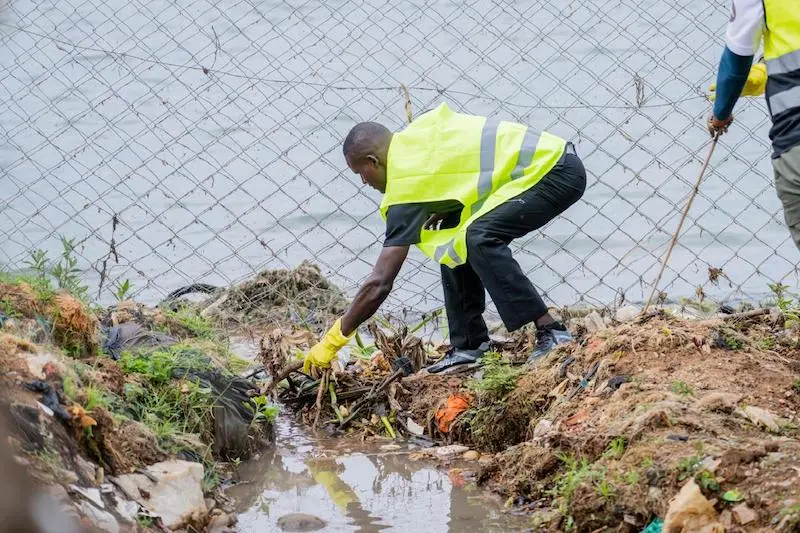
Police will enforce restrictions on unnecessary movement for three hours every last Saturday of the month as Uganda begins a mandatory nationwide community cleaning programme.
The exercise, scheduled from 7:00am to 10:00am, will require businesses to close while residents participate in organised cleaning activities. Only emergency and security vehicles will be permitted to operate under the restrictions announced by the government.
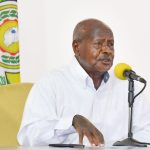
Prime Minister Robinah Nabbanja said President Yoweri Museveni had directed police and other security agencies to ensure compliance with the National Cleaning Day.
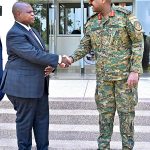
Deputy Inspector General of Police James Ochaya said the force was prepared to implement the directive, citing its experience enforcing restrictions during the Covid-19 pandemic.
The measures form part of a broader government campaign to address poor sanitation, waste disposal and diseases associated with unhygienic surroundings.
“The National Cleaning Day initiative will run from 7:00 am to 10:00 am on the last Saturday of every month. During this period, all Ugandans are expected to participate in organised cleaning activities within their communities, including roads, health facilities, drainage systems, markets, places of worship, schools and other public places,” Nabbanja said.
She made the announcement at the Office of the Prime Minister in Kampala in the presence of officials from the ministries of Health and Local Government, KCCA, Uganda Police Force and NEMA.
Cabinet approved the nationwide cleaning programme on August 11, 2025, at a meeting chaired by Museveni.
Nabbanja said inadequate sanitation and hygiene are associated with an estimated 75% of diseases reported in Uganda, including malaria, typhoid and diarrhoea.
She cited Kampala’s solid waste problem as an example of the challenge facing authorities.
The capital produces an estimated 2,000 to 2,500 tonnes of solid waste each day, but only about 50% to 60% is collected and properly disposed of, according to figures presented by the prime minister.
Uncollected rubbish can block drainage channels and pollute neighbourhoods, creating conditions that increase the likelihood of disease outbreaks.
Nabbanja also quoted Ministry of Health statistics indicating that around 33 children die each day from diseases associated with poor hygiene and sanitation.
She said Article 39 of the Constitution, which provides for the right to a clean and healthy environment, also supports the government’s push for greater public participation in environmental protection.
Local governments have been instructed to organise residents and identify priority locations for the monthly clean-up.
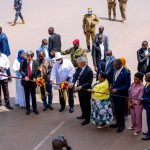
The programme will be officially launched on Saturday, July 25, at Kisenyi in Mengo, where Vice President Jessica Alupo is expected to preside. The government says detailed implementation guidelines will follow.
The Saturday schedule has attracted concerns from members of the Seventh-day Adventist Church because the denomination observes the day as the Sabbath.
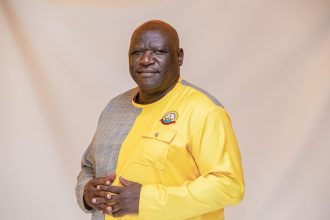
Health Minister Dr Chris Baryomunsi said authorities selected the 7:00am-to-10:00am period partly to allow people to undertake other activities afterwards.
“We have deliberately set these early hours of the day to enable people to carry out their other activities later. Secondly, we are not meant to offend any of the beliefs of Ugandans. But I also want to ask, do SDA members also fall sick on Saturday? Let me quote the words of Jesus in the Bible. He said you can rescue your cow or sheep immediately when it falls into a pit. So let us all participate as much as possible,” Baryomunsi said.
The monthly exercise will be held under the theme, “A Clean Uganda is Everybody’s Business.”