




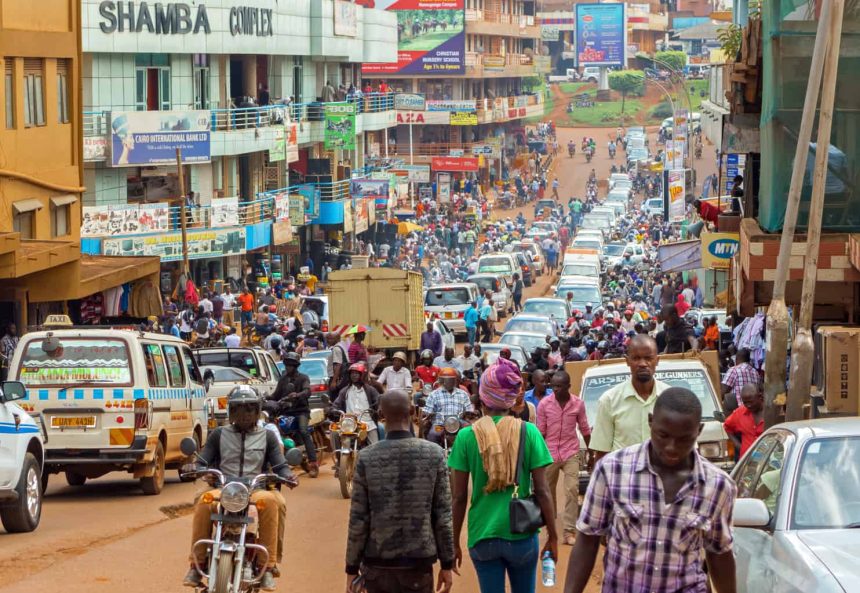
For many Ugandans, tax announcements made in Parliament often feel distant and technical, buried in budget speeches and legal language. Their real impact is usually felt later — at fuel stations, in markets, or when transport fares quietly increase.
The latest tax package for the 2026/27 financial year is expected to follow a similar pattern, with effects likely to be felt in everyday spending decisions from July 1, 2026.
At the centre of the changes is a new Shs200 levy on every litre of fuel. Government says the measure is designed to raise domestic revenue as Uganda faces tighter financing conditions.
However, fuel is a key driver of prices across the economy, meaning the effects could spread far beyond petrol stations.
A motorist filling a 40-litre tank would pay an extra Shs8,000. For taxi operators, boda boda riders and transport companies, the increase could accumulate quickly and feed into higher transport fares and goods prices.
Henry Musasizi, State Minister for Finance, told Parliament the levy was modest and may not significantly affect pump prices. But economists and business operators say even small increases in fuel costs often ripple through supply chains.
In Uganda, where transport costs influence food prices, business logistics and commuting, such changes are typically felt quickly by consumers.
Sugar, cement and transport costs affected
Excise duty on sugar will also rise from Shs100 to Shs300 per kilogram. While government argues the change is part of broader revenue reforms, the impact is expected to be felt in household budgets, where sugar is a daily essential.
Cement will attract a new tax of Shs750 per 50-kilogram bag, a move likely to affect construction costs. In a country where many families build homes gradually, even small increases can stretch timelines and budgets.
Motorcycle registration fees are also set to rise sharply from Shs200,000 to Shs500,000, a change that could affect entry costs for boda boda riders, who rely on motorcycles as a source of income.
Imported spirits will face a tax of Shs3,500 per litre or 80%, whichever is higher.
Relief for small businesses and low-income earners
Not all measures increase taxes. The Value Added Tax threshold has been raised from Shs150 million to Shs300 million in annual turnover, meaning smaller businesses will be exempt from VAT registration.
This is expected to reduce compliance costs for small traders and informal businesses.
Workers earning up to Shs335,000 per month will also be exempted from Pay As You Earn (PAYE), offering some relief to low-income earners.
However, individuals earning above Shs10 million monthly will continue to pay the top 40% tax rate, and a new 10% surcharge has been introduced on incomes above Shs120 million annually.
Tourism, entertainment and trade reforms
The government has also reduced the minimum investment requirement for hotel developers from US$5 million to US$1.5 million, a move aimed at boosting tourism investment.
Public entertainers will now pay a 6% withholding tax, while betting and gaming winnings will be taxed at 30%, up from 20%.
Land-based casinos have been exempted due to enforcement challenges.
A 30% tax has also been approved on second-hand clothes, a measure aimed at protecting Uganda’s textile industry but likely to affect affordability for low-income households.
Balancing revenue and economic pressure
The tax changes reflect Uganda’s growing reliance on domestic revenue as external financing becomes more limited and public spending needs increase.
The challenge for government is balancing revenue collection with rising living costs.
A trader may benefit from lower VAT obligations but pay more for transport. A low-income worker may retain more of their salary but face higher food and fuel costs.
Ultimately, the impact will depend not only on how much government collects, but how effectively it translates that revenue into services and infrastructure.
For now, the measures are approved. Their real effect will be revealed gradually — at fuel pumps, in markets, on construction sites, and in household budgets across the country.